Game Design2 min read
The Vaccine: Alien exploration and non-violent choice mechanics
Designing a sci-fi game where a vaccine robot explores a world of mimic 'morphers', where non-violence and ethical choices shape player progression.
In most action and sci-fi games, the primary verb given to the player is destruction. You enter a foreign biome, encounter indigenous creatures, and eliminate them to clear a path. With The Vaccine, I wanted to invert that core loop and explore what happens when aggression is directly reflected back at the player.
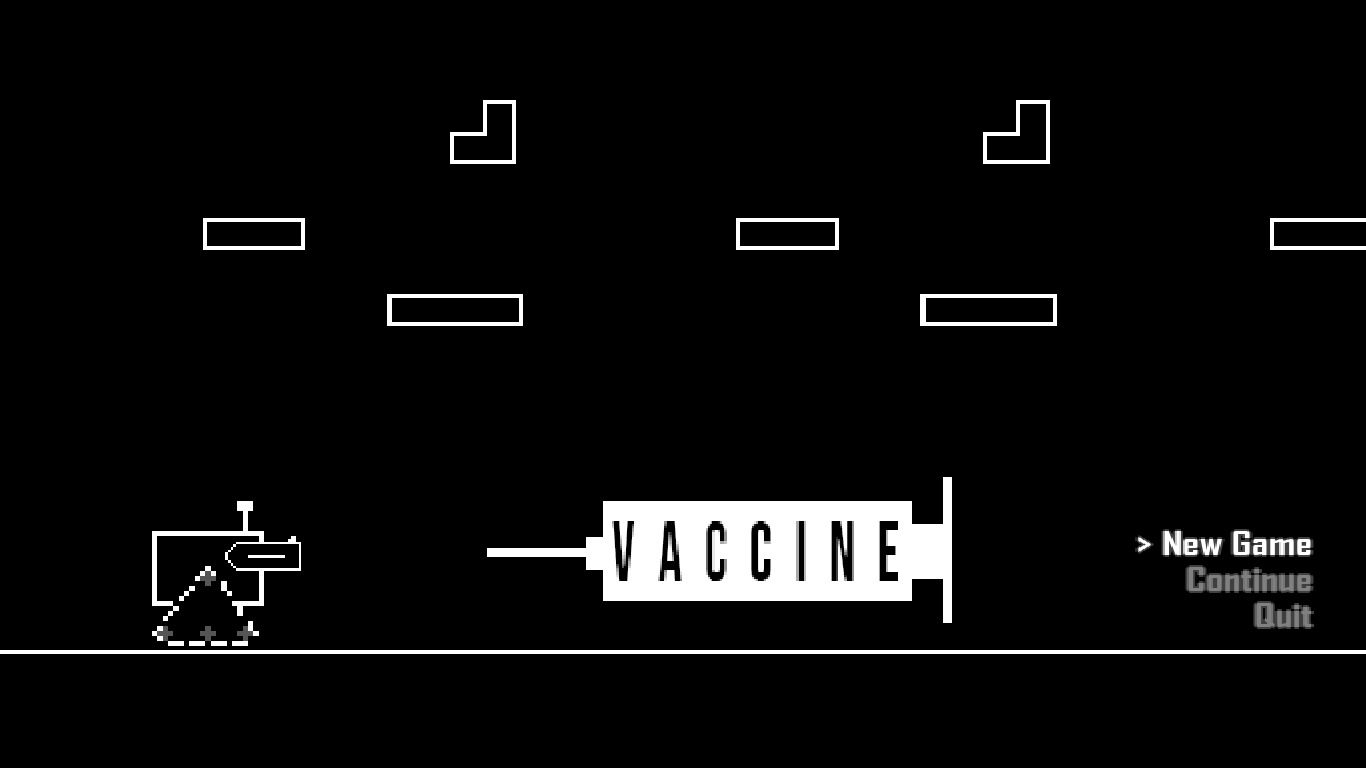
The premise and the 'Morpher' mechanic
You play as a robotic operative powered by an experimental vaccine core, dispatched to explore an uncharted alien world. The planet is populated by sentient, peaceful beings known as 'Morphers'. Morphers have no inherent malice or predetermined hostility—instead, they possess an adaptive neural camouflage that mirrors the psychological demeanor and combat style of whoever encounters them.
If you approach a Morpher with lethal force, it analyzes your attack patterns and morphs into a formidable, aggressive adversary. If you approach patiently, observe environmental cues, and interact without hostility, the Morphers remain calm, open alternate pathways, or provide vital spatial clues.
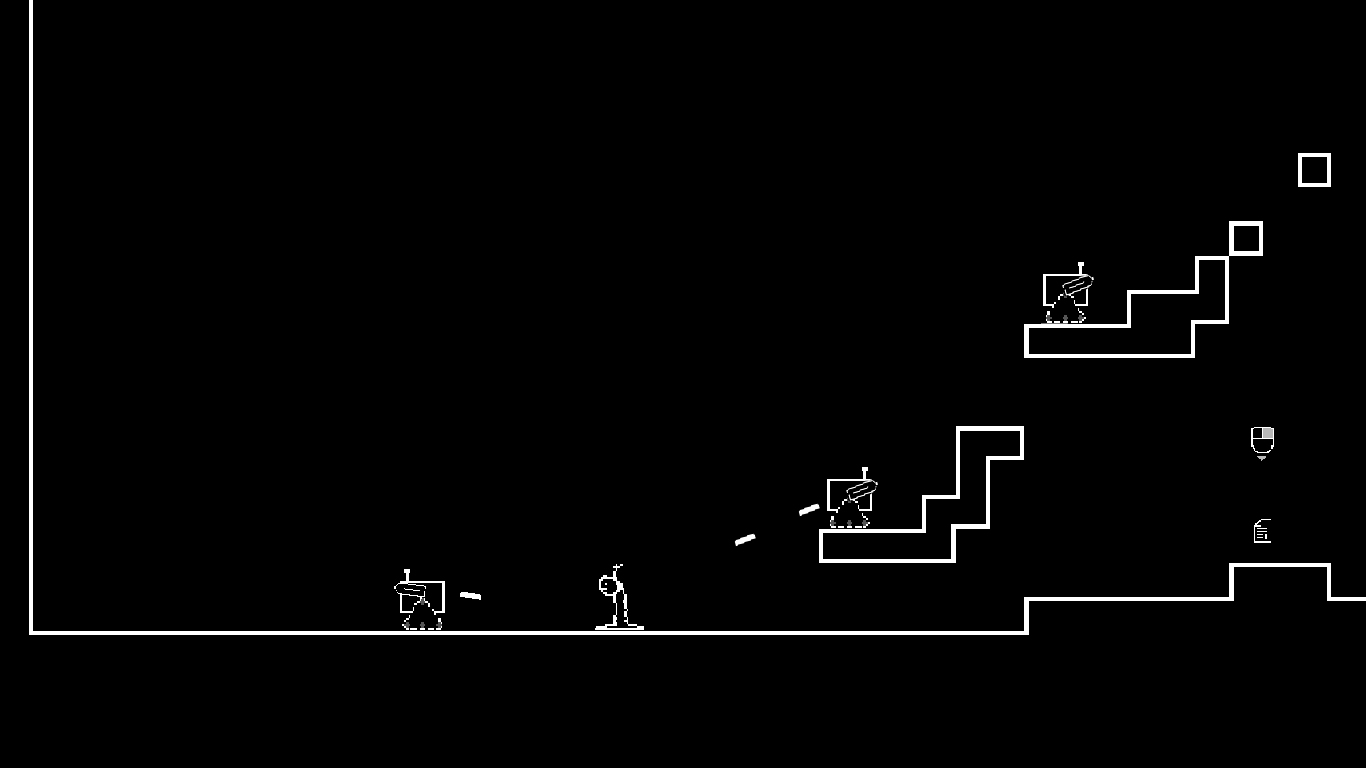
Ethical branching and non-violent puzzle solving
The objective was to design a progression system where non-violence isn't merely an optional stealth badge, but an intellectually rewarding puzzle mechanic. Every level was structured with multiple solutions:
- Direct confrontation: Clearing obstacles through force triggers escalating environmental hostility, making subsequent zones harder and mutating surviving Morphers.
- Environmental diversion: Utilizing terrain geometry, shadow lines, and distraction tools to bypass patrol sectors without provoking defense reactions.
- Symbiotic interaction: Learning unique Morpher resonance frequencies to solve energy locks and discover hidden alien sanctuaries.
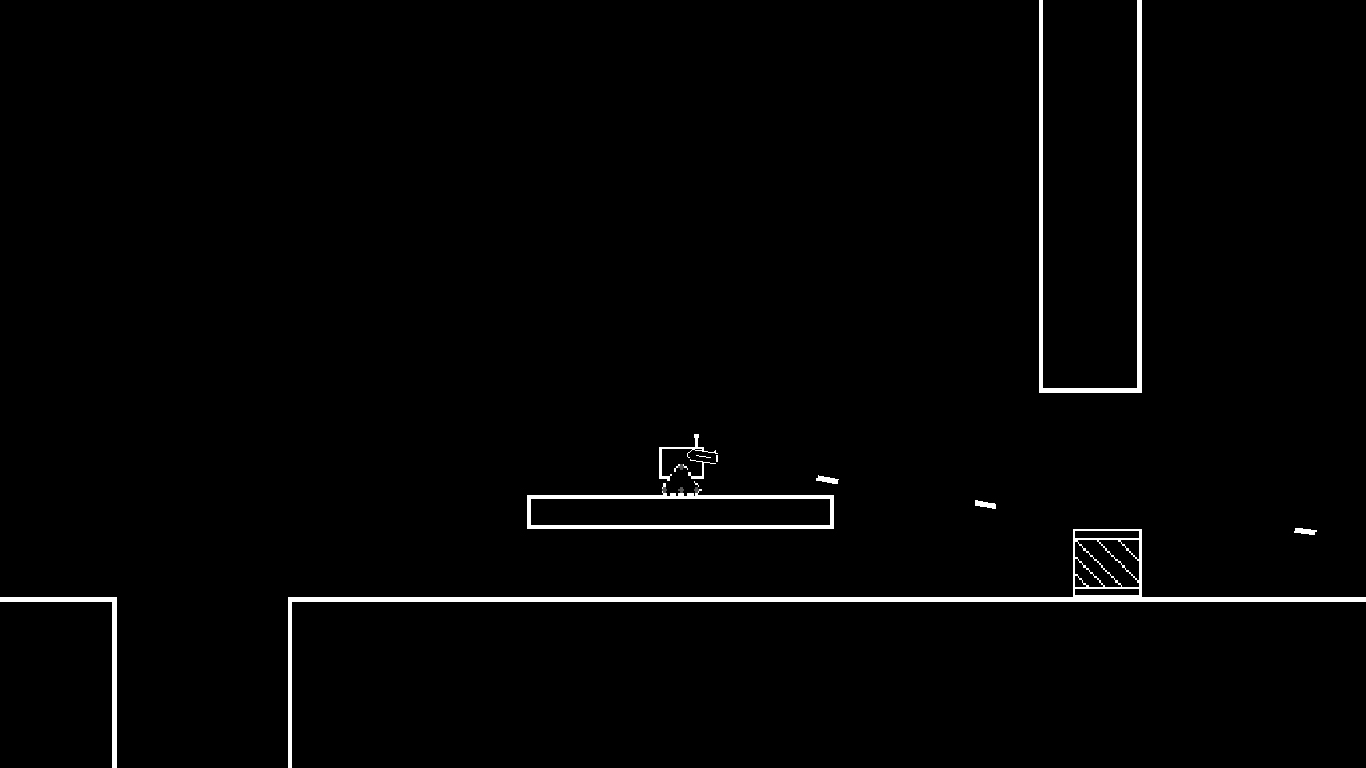
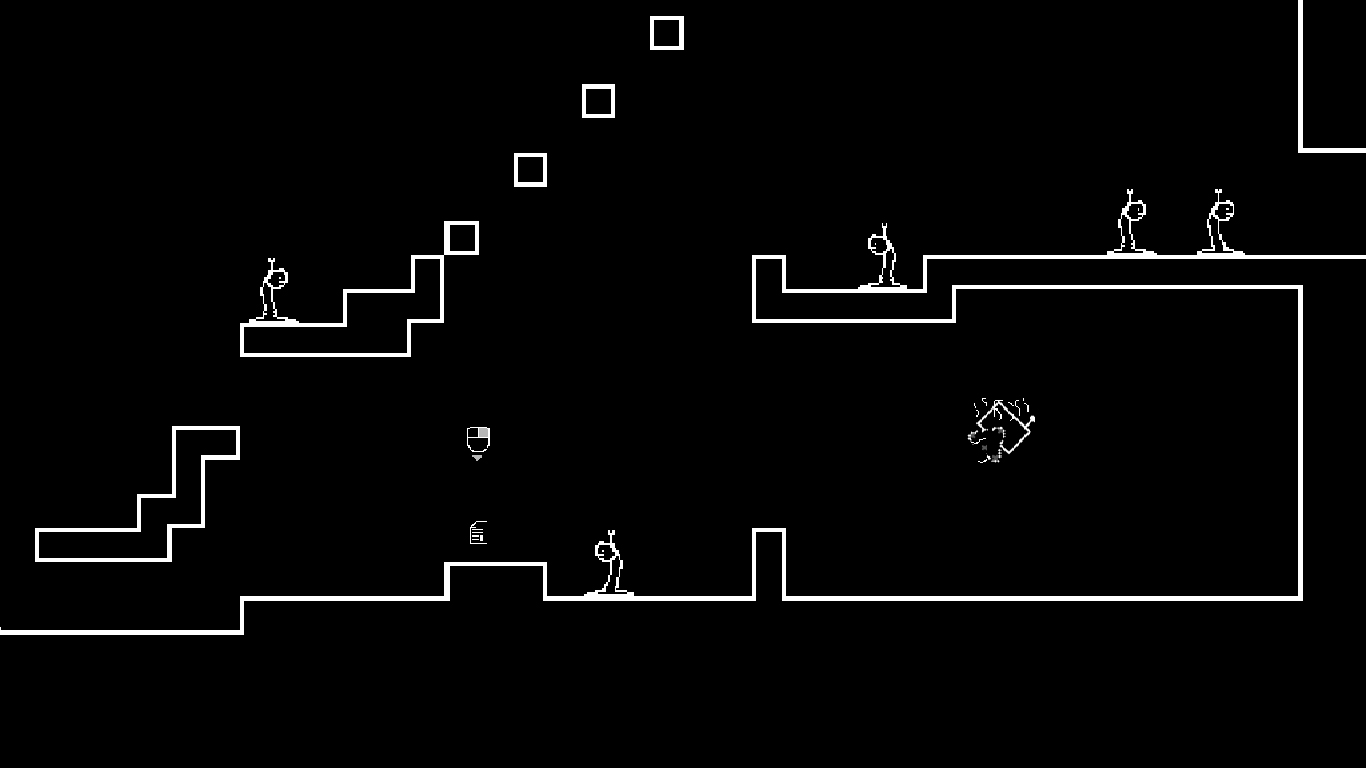
Atmosphere and 2D worldbuilding
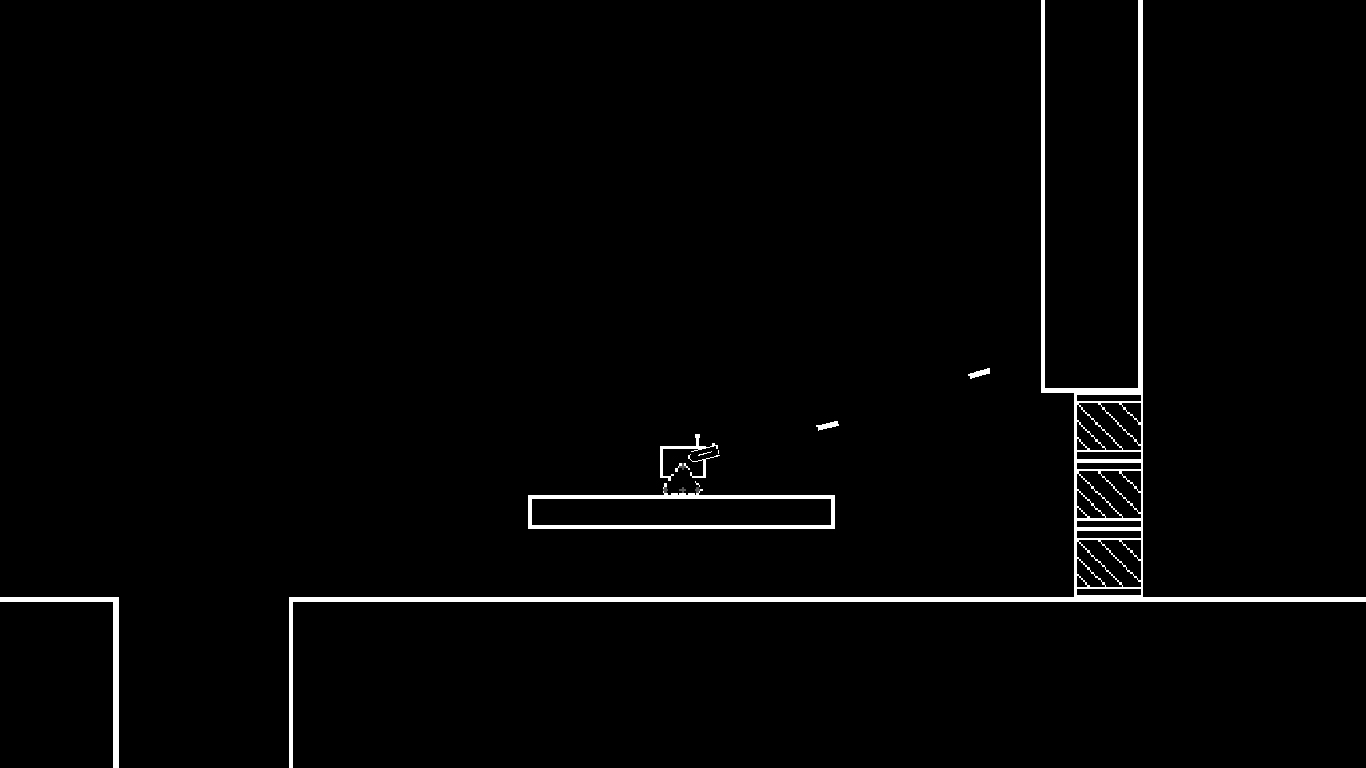
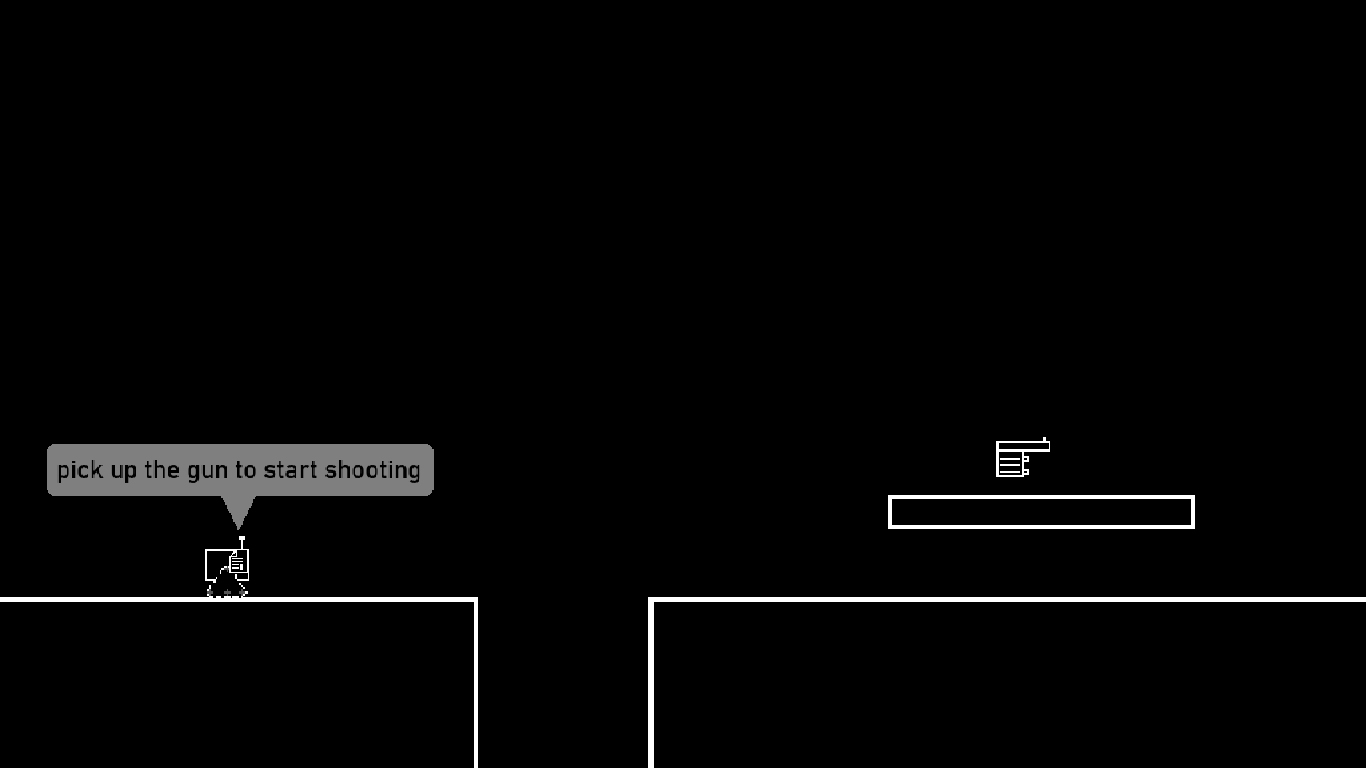
The visual language relies on high-contrast silhouette environments, moody lighting, and sparse industrial color palettes. By isolating the player in vast, quiet landscapes, the pacing invites contemplation over reflex-based shooting.
Design takeaways
Designing The Vaccine demonstrated how player empathy can be cultivated through systems rather than cutscenes. When players realize their own hostility is what generates the game's monsters, their entire posture shifts from reaction to curiosity.