Hardware1 min read
Modular laser-cut Raspberry Pi case
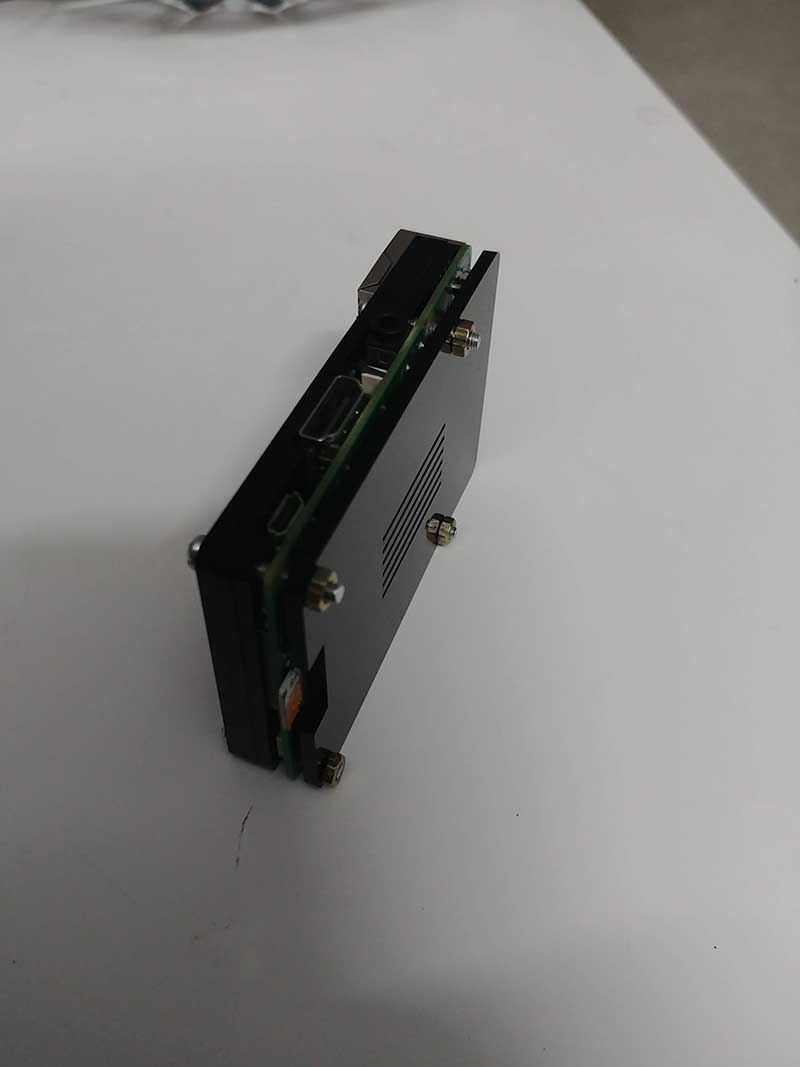
A slim acrylic Raspberry Pi enclosure assembled with nuts & bolts and interchangeable top panels that reduced standard case thickness by over a centimeter.
Most off-the-shelf Raspberry Pi cases are injection-molded plastic boxes designed around maximum generic clearance. They end up bulky, add substantial thickness, and trap heat unless you attach a noisy fan or leave the lid open. I wanted an enclosure that was ultra-slim, structurally rigid, and modular enough to adapt to different setups without replacing the entire case.
Layered acrylic and direct fastening
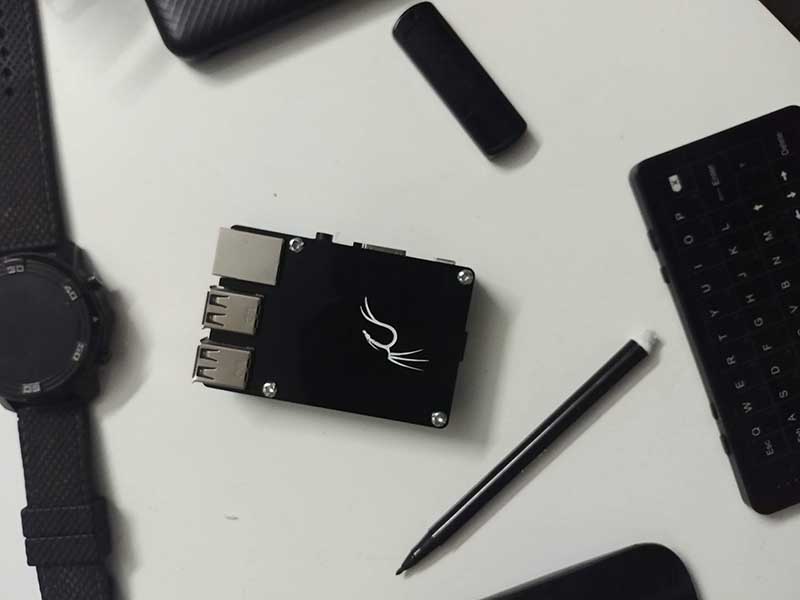
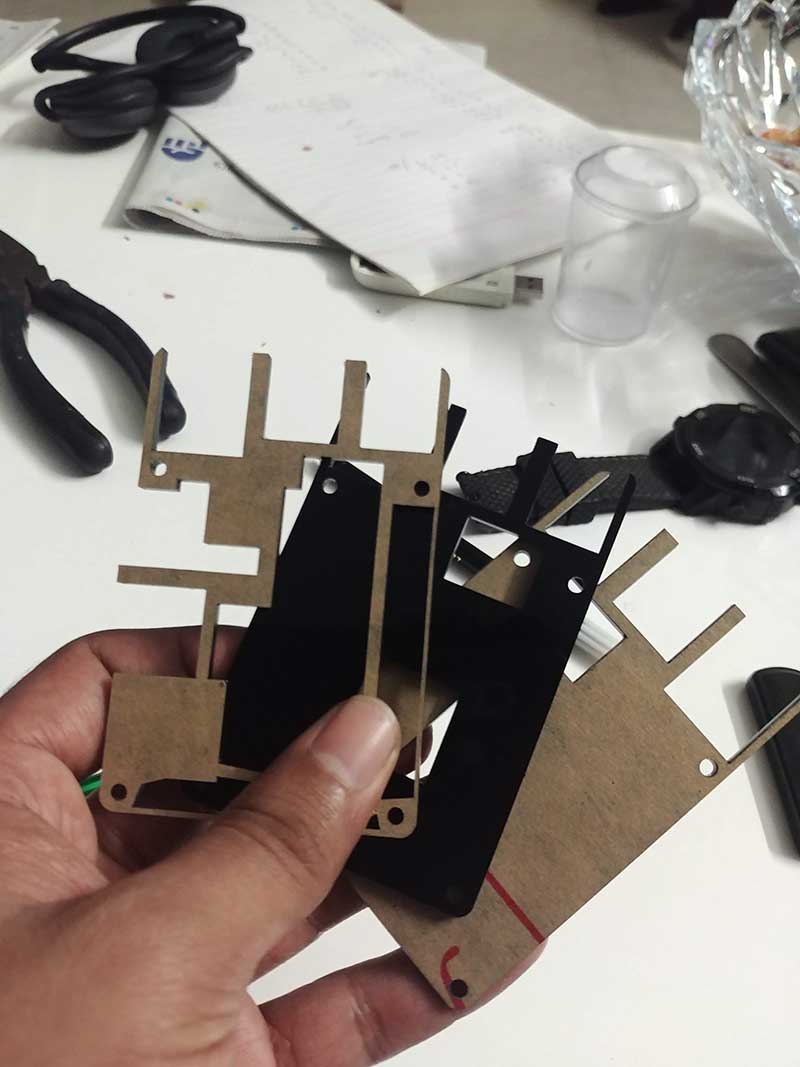
Instead of a single molded shell, the case is built from stacked, precision laser-cut acrylic plates. Each layer hugs the contour of the PCB, providing exact cutouts for the HDMI port, micro-USB power, 3.5mm audio jack, Ethernet, and USB hub.
Four corner bolts and standoff nuts clamp the entire stack together. This mechanical sandwich construction gives the case high rigidity without needing clips or adhesive, and makes disassembly or modification straightforward.
Interchangeable modular top plates
The key feature of the design is the swappable top plate system. Depending on how the Pi is deployed, the top cover can be swapped in seconds without taking the rest of the enclosure apart:
- Solid minimal cover: A sleek, dust-resistant top panel for low-power headless server tasks.
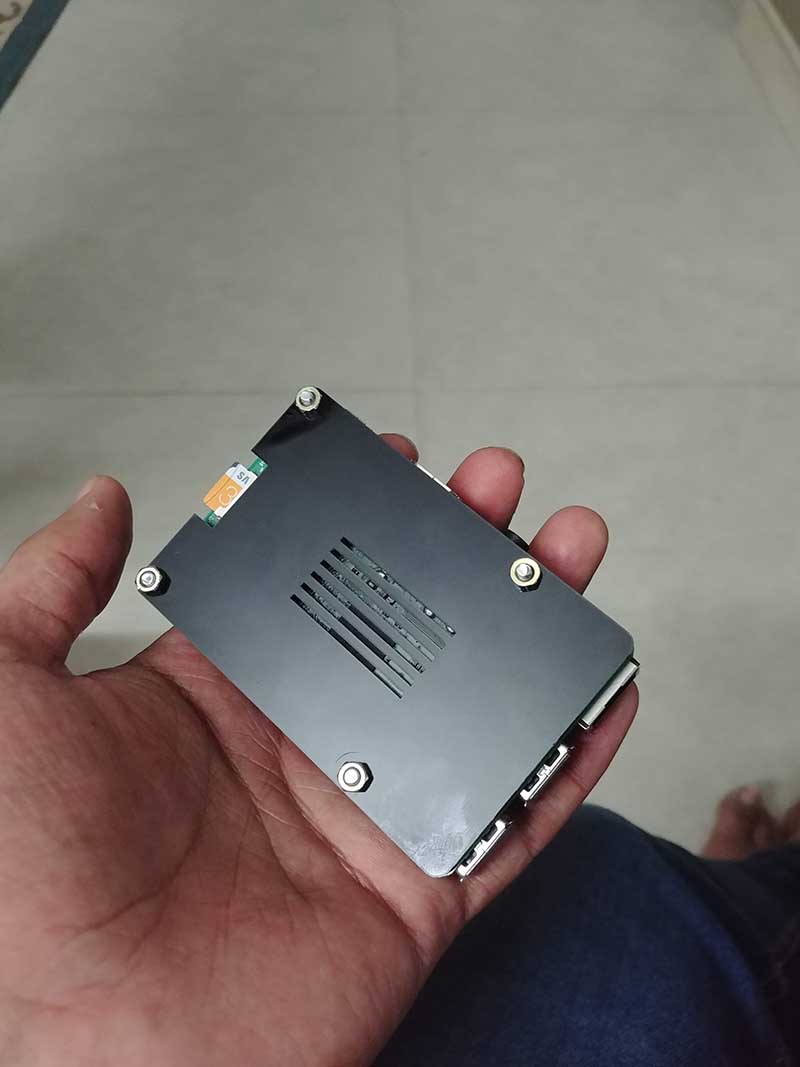
- Ventilated mesh cover: Laser-cut cooling vents and mounting points for heatsinks during overclocked workloads.
- Custom logo & badge plates: Stylized cutout panels featuring custom emblems and branding.
- GPIO breakout plate: Direct slot access to the 40-pin header for breadboard prototyping.
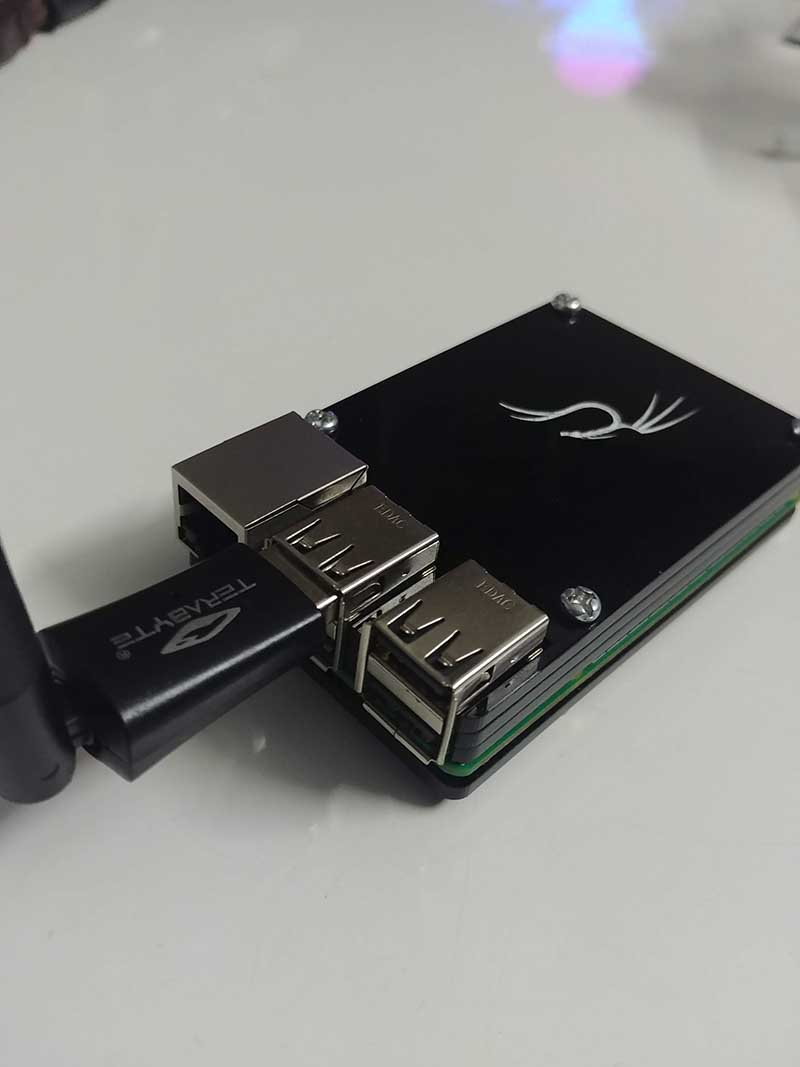
Shaving over a centimeter of bulk
By conforming each layer directly to the board's height requirements, the final case reduced overall thickness by more than 1 cm compared to standard commercial enclosures. It sits flat on a desk, slides easily into a bag, and provides immediate modular flexibility.